

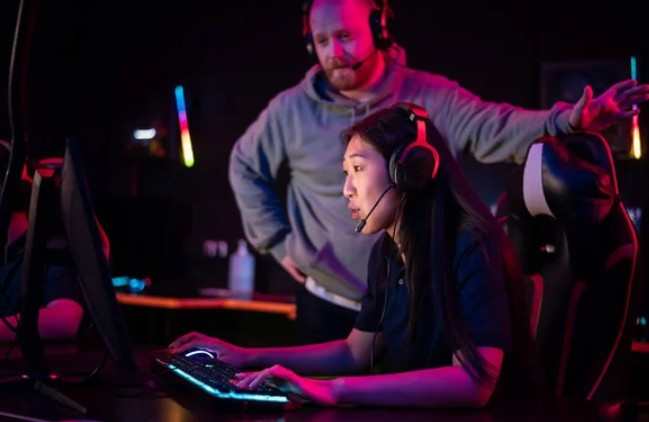
Have you ever joined an online game for the first time and tried to figure out what everyone else was doing without asking too many questions?
That first experience can feel exciting in a very human way. You see players moving around, chatting, teaming up, showing off styles, and reacting to each other. Even before you fully understand the rules, you start picking up small social signals.
These signals help beginners understand how people connect inside games. They show who is friendly, who likes teamwork, who enjoys leading, and how groups naturally come together.
First Impressions Start With Player Names and Looks
The first thing many beginners notice is how players present themselves. Before anyone says a word, names, outfits, colors, and character choices already say something.
These details work like small introductions. They help other players get a quick feel for personality, mood, and style.
Usernames Say a Lot
A username can feel playful, calm, clever, bold, or personal. Some players use names that sound funny. Others choose names that feel mysterious, cute, sporty, or simple.
For beginners, usernames make people easier to remember. After a few matches or shared tasks, a name can start to feel familiar, almost like seeing someone you know at a regular hangout.
Character Style Shows Personality
Character style is another clear signal. A bright outfit may show someone likes fun and attention. A clean, simple look may show someone prefers a calm style. Matching outfits in a group may show friendship or teamwork.
Beginners often learn by watching these style choices. They start to understand that looks are not just decoration. They are a way players express themselves.
Movement Tells Beginners How People Play
In online bandot88 gaming, movement can say a lot. A player who waits for others may be patient. A player who leads the way may enjoy guiding the group. A player who moves around playfully may be inviting others to join the fun.
Beginners notice movement because it is easy to read. Even without voice chat or text chat, actions can explain what is happening.
Following and Leading Are Clear Signals
When one player moves ahead, and others follow, a beginner can see who is guiding the moment. This often helps new players feel more settled because they know where to go next.
A friendly leader may pause, turn back, or mark a path. These small actions can feel very helpful to someone still learning.
Playful Movement Builds Comfort
Jumping, spinning, waving, crouching, or dancing can be friendly social signals in many games. These moves often mean, “I see you,” “Come along,” or “Let’s have fun.”
For beginners, this kind of playful movement can make the space feel warmer. It shows that players are not only focused on tasks; they are also enjoying the social side.
Chat and Quick Messages Create Connection
Text chat, voice chat, and quick message tools are common parts of online gaming. Beginners often notice how players use short phrases, symbols, and reactions to stay connected.
Good communication in games is usually simple. A quick greeting, a thank-you, or a clear callout can make a new player feel included right away.
Greetings Make the Space Feel Friendly
A simple “hi,” “nice,” or “good job” can set a positive tone. Beginners often remember these small messages because they make the first few moments feel easier.
Friendly greetings also show that players are open to teamwork. They turn a group of strangers into people sharing the same moment.
Quick Signals Help Everyone Stay Together
Many games include fast messages or simple markers. Players may point to a place, signal a goal, or ask the group to gather.
These quick signals help beginners follow along without needing long explanations. Common examples include:
- Marking a location
- Sending a ready signal
- Thanking a teammate
- Asking the group to follow
- Celebrating a shared win
These little tools make teamwork feel smooth and natural.
Team Roles Become Easy to Spot
After a short time, beginners start noticing that players often take on natural roles. Some people guide. Some support. Some plan. Some bring energy and humor.
These roles help groups work together and make social play feel more organized.
Helpers Stand Out Quickly
Helpful players are easy to notice. They may share tips, wait for beginners, offer items, or show the next step through action.
For a new player, a helper can make the whole session feel more welcoming. One kind action can turn confusion into confidence.
Leaders Keep the Group Moving
Leaders often give direction, set the pace, or make decisions during group play. They may not always talk much, but their actions guide others.
Beginners often appreciate this because it gives the session structure. It becomes easier to relax when someone is calmly showing the path.
Reactions Show Shared Emotion
Online gaming is full of small reactions. Players cheer, clap, wave, jump around, send emojis, or type quick messages after a fun moment.
These reactions show shared emotion. They help beginners understand when something exciting, funny, or meaningful has happened.
Celebrations Bring Players Together
A shared win feels better when people react together. A quick cheer or friendly message can make the moment feel bigger.
Beginners often notice celebrations because they show the social heart of gaming. It is not only about completing a task. It is about enjoying the moment with others.
Kind Feedback Builds Confidence
Positive feedback helps beginners feel comfortable. A teammate saying “nice try,” “well played,” or “you got it” can make a big difference.
Small words can help new players feel like they belong. They also encourage people to keep learning and taking part.
Groups and Communities Have Their Own Rhythm
As beginners spend more time in online games, they start seeing how groups form. Some players always play together. Some groups use matching styles. Others have shared routines or favorite meeting spots.
This rhythm makes gaming feel social and familiar.
Regular Players Become Familiar Faces
Seeing the same players again can create a nice sense of connection. A beginner may remember a name, a style, or a helpful teammate from an earlier session.
Over time, these familiar faces make the game feel more personal.
Shared Habits Create Belonging
Groups often have small habits, like meeting in the same place, using the same greeting, or celebrating in the same way.
These habits create a sense of belonging. For beginners, noticing them is part of learning the social flow.
Reading Social Signals Makes Gaming More Enjoyable
The social signals in online gaming are easy to notice once you know what to look for. Names, outfits, movement, messages, reactions, and team roles all help beginners understand the people around them. These signs make online play feel more human. They show personality, kindness, teamwork, humor, and shared excitement.
For a beginner, learning these signals is part of the fun. It helps them feel more relaxed, more included, and more ready to enjoy the next session with others.
